
When Information Isn’t Enough: A Real Encounter at SkyTrain
Yesterday, I had an experience that’s been sitting with me.
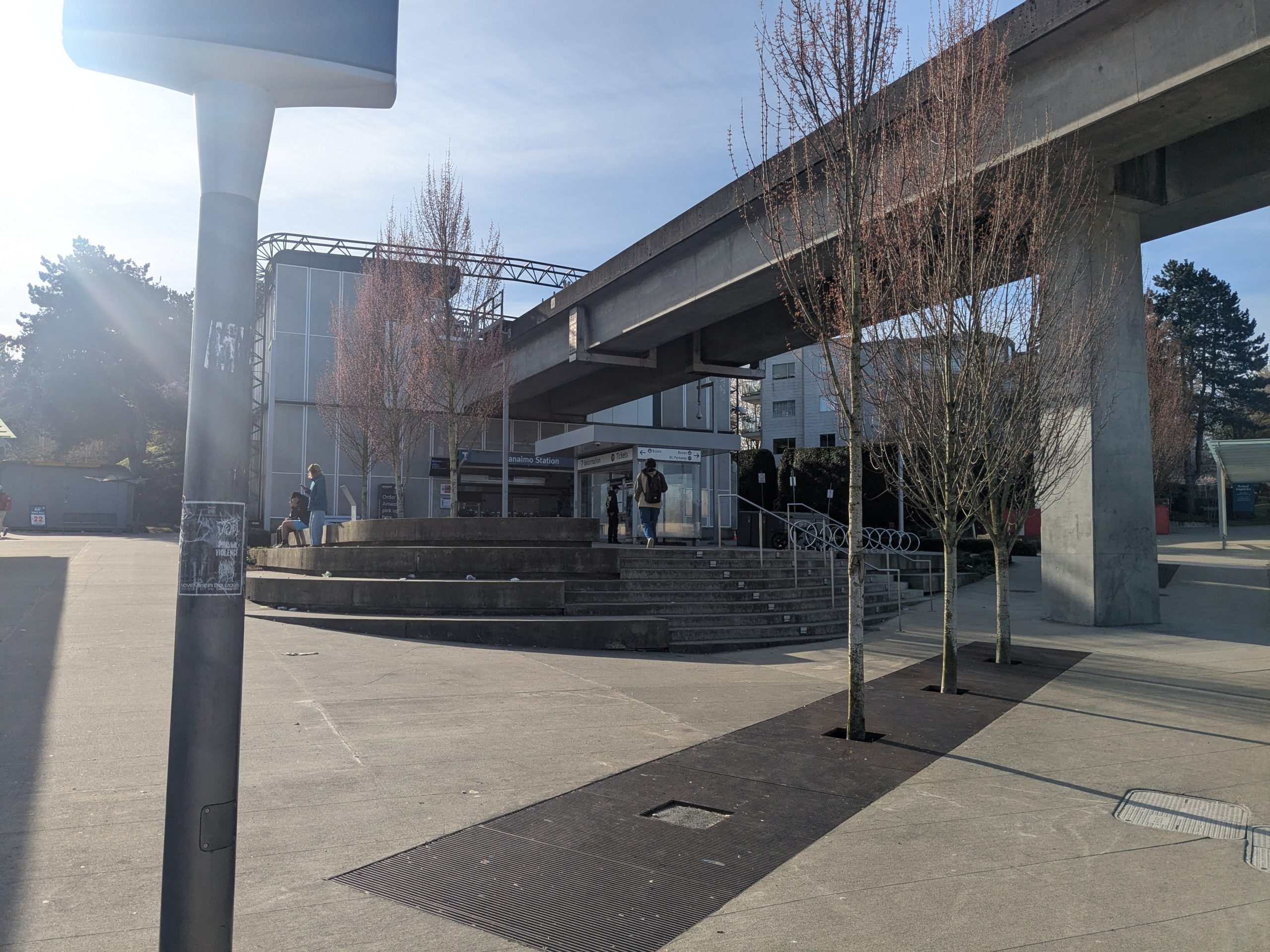
I was at a SkyTrain station, picking up a package from an Amazon locker, when I saw someone I recognized—a man in a motorized wheelchair asking passersby for money for food.
I had seen him before. In fact, I had already given him a You Matter Card.
That moment stayed with me, but what made it more complex is something I had observed earlier: on another day, I had seen the same individual using his scooter to go and buy pizza.
So I found myself wondering:
If free meals are available every day at places like Union Gospel Mission, and if someone has the ability to get around independently… why ask for food money?
The Temptation to Jump to Conclusions
It would be easy to draw a quick conclusion.
Many of us have heard—or assumed—that “food money” might not always be used for food. That it could be connected to substance use, or other needs.
That might be true in some cases.
But in this situation, I had to pause and remind myself:
I don’t actually know that.
What I have is a set of observations—not a full picture.
What I Might Be Missing
Even when something looks straightforward from the outside, it often isn’t.
There are many possible explanations:
- He may prefer to choose his own food rather than rely on scheduled meal services
- He may have had negative experiences with certain programs
- He may find structured environments overwhelming or inaccessible in ways I can’t see
- He may be dealing with mental health challenges, addiction, or cognitive barriers
- Or he may simply be following a routine that has become familiar
The truth is, multiple explanations can fit the same situation.
What This Revealed About the You Matter Card
This experience helped clarify something important for me.
The You Matter Card doesn’t solve every problem.
It doesn’t:
- change behavior
- treat addiction
- resolve trauma
- or override personal choice
What it does is much simpler—and much more specific:
It makes information available at the right moment, for the person who is ready to use it.
That’s it.
Who the Card Is Really For
The card isn’t for everyone in every moment.
It’s for:
- the person who wants help but doesn’t know where to start
- the person who is on the edge and just needs a clear next step
- the person who, in a brief moment of readiness, is open to something different
For that person, even a small piece of information can matter.
Letting Go of Control
This was the harder part for me.
I can offer the card.
I can point to resources.
I can try to be thoughtful and respectful.
But I can’t control what someone does next.
And maybe that’s okay.
A Different Way to Measure Impact
It’s tempting to measure success like this:
“Did this person stop asking for money?”
But that might not be the right question.
A better one might be:
“If someone becomes ready—will they have what they need in that moment?”
If the answer is yes, then the card is doing its job.
Final Thought
This interaction didn’t discourage me—it grounded me.
It reminded me that people are complex. That behavior doesn’t always follow logic. And that meaningful help isn’t always immediate or visible.
Sometimes, it’s just about making something available—and trusting that, when the time is right, it might be used.